
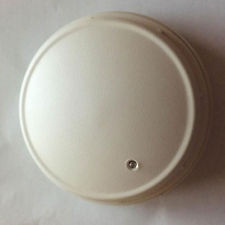
 There are two common types of smoke alarms: photoelectric and ionization. Most people know they have smoke alarms somewhere in their building — but fewer know which type they have or how each one works. Understanding the difference can help you make a more informed decision when it is time to upgrade or replace your detectors.
How Ionization Smoke Alarms Work
Ionization alarms contain a small amount of radioactive material positioned between two electrically charged plates. This material ionizes the surrounding air, allowing a small current to flow continuously between the plates. When smoke enters the chamber, it disrupts that flow of ions, reducing the current and triggering the alarm.
Ionization alarms are particularly responsive to fast-flaming fires — the kind that produce intense heat and visible flames quickly. They tend to react faster in these situations than photoelectric models.
How Photoelectric Smoke Alarms Work
Photoelectric alarms use a light beam aimed into a sensing chamber at an angle away from the light sensor. Under normal conditions, the beam passes through the chamber without hitting the sensor. When smoke enters, it scatters the light and reflects some of it onto the sensor, which triggers the alarm.
This technology makes photoelectric alarms especially effective at detecting slow, smoldering fires — the type that may produce a great deal of smoke before any open flame develops.
Which Type Does Your Business Need?
In practice, both types of smoke alarms are effective at detecting fire. The key difference is in the type of fire each responds to most quickly. Since it is difficult to predict the nature of a fire in advance, the National Fire Protection Association recommends using combination (dual-sensor) alarms that incorporate both technologies in a single device.
If combination units are not available, placing both types throughout your building provides broad coverage. Either way, the goal is consistent, reliable detection across all areas.
Maintaining Your Smoke Alarms
Regardless of the type you use, smoke alarms require regular maintenance. If you hear a chirping sound, that is a low-battery warning — replace the battery promptly. Never remove a battery to silence the chirp without replacing it.
Need replacement smoke detectors for your commercial building? Browse our selection at Life Safety Consultants or call 1-888-557-0558 for expert guidance on the right units for your system.